
Dating Trends Taking Over the Country in 2025
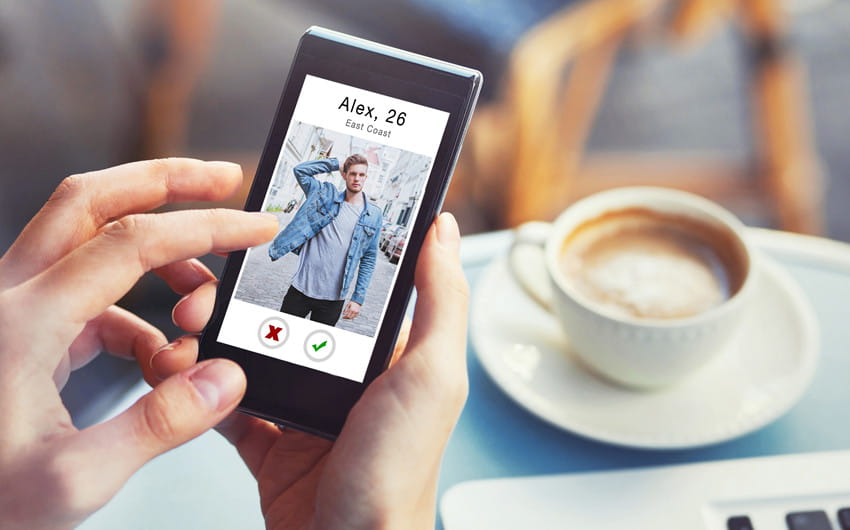
Singles in America are tired of mixed signals. The vague situationship, the three-day texting rule, the performative indifference that defined dating for years has worn thin. What replaced it looks nothing like the swipe culture that dominated the last decade. People want answers. They want honesty. They want to know where they stand before the second date.
Bumble’s 2025 data shows 64% of women surveyed are refusing to settle for less than what they need. That number tells a story about patience running out. The willingness to tolerate ambiguity has dropped, and in its place, singles are spelling out their intentions earlier in conversations. Gen Z and Millennial women on Bumble report prioritizing transparency, with 72% of users globally focused on finding long-term partners within the next year.
Emotional Honesty Has Become the Standard
Tinder’s Year in Swipe 2025 report puts a number on what many suspected: 64% of surveyed daters believe modern dating culture lacks emotional honesty. More than half, 56%, say honest conversations between matches matter more now than before. When asked to describe how they feel about dating heading into 2026, the most common word respondents chose was “hopeful.”
This push for directness shows up in how people communicate. Voice notes are gaining traction, particularly among younger users. Hinge reports that 35% of Gen Z users want more voice notes from their matches. The appeal makes sense. Text can hide tone. A voice carries warmth or hesitation in ways words on a screen cannot.
What Singles Actually Want Now
Dating preferences in 2025 have moved toward specific qualities rather than vague attraction. According to Match Group’s Singles in America study, 40% of singles rank trustworthiness as their top priority, followed by physical attraction at 35% and shared values at 31%. Emotional availability and shared interests round out the list at 30% and 28% respectively.
This focus on intentional connection appears across different relationship styles. Some seek traditional partnerships while others explore sugar dating or casual arrangements. What remains consistent is the demand for honesty upfront, with 35% of singles now searching for what Tinder calls a “Low-Key Lover” who prefers calm, straightforward interactions over dramatic courtship.
Friends Now Have Veto Power
The solo approach to dating has faded. Singles are involving their friends at every stage, from profile review to post-date analysis. According to research, 42% of young singles say friends influence their dating decisions, and 37% plan to go on group or double dates in the coming year. Women in the U.S. have started relying on male friends to interpret behavior from potential partners, with 57% seeking input from men in their lives to decode confusing signals.
Group dates serve a practical function beyond social comfort. They reduce the pressure of one-on-one evaluation. They also provide safety in numbers when meeting someone new. The practice recalls earlier eras when courtship involved community observation, though the modern version tends toward bar trivia nights rather than supervised parlor visits.
Romance Is Back, But Smaller
The grand gesture has shrunk. Bumble’s research shows 86% of singles now consider small acts, like sending memes or sharing a playlist, as legitimate expressions of affection. This concept, labeled “micro-mance,” treats daily communication as courtship rather than obligation.
Over half of women surveyed globally describe themselves as self-proclaimed romantics who love love. The rom-com sensibility has returned, but it lives in Spotify links and TikTok shares rather than airport chase scenes. Public displays of affection are acceptable again. Earnestness no longer carries the stigma it did five years ago.
People Are Meeting in Rooms Again
Attendance at in-person dating events jumped 42% between 2023 and 2024. Speed dating, once considered a relic of the early 2000s, has found a new audience. Bumble now hosts events called Bumble IRL, where singles meet at spin classes, cocktail nights, and community service projects.
The appeal is straightforward. Apps produce matches. Events produce memories. A conversation at a bar involves eye contact, body language, and environmental context that profiles cannot replicate. The phone stays in the pocket. The interaction happens in real time with no opportunity to draft the perfect reply.
AI Has Entered the Chat
Match Group’s 2025 Singles in America study found that 26% of singles now use AI tools to enhance their dating efforts. That number represents a 333% increase from the previous year. The company plans to launch an AI assistant in March 2025 that will help curate profiles and coach users through conversations.
Among younger users, the acceptance runs higher. Hinge reports that 60% of users between 18 and 22 would be open to using AI as a virtual dating coach. The technology handles tasks that cause anxiety: suggesting openers, recommending photos, proposing date ideas. Whether this assistance produces better relationships or better-optimized profiles remains an open question.
Apps Are Struggling Despite Usage
The financial picture for dating companies looks complicated. The industry generated over $6 billion in 2024, a 15.7% increase from the prior year. Approximately 360 million people used dating apps globally. Tinder led with roughly $1 billion in revenue, followed by Bumble at $480 million and Hinge at $294 million.
But growth has stalled. Match Group reported a 3% decline in paying users in the third quarter of 2024. Bumble’s stock dropped nearly 30% after the company lowered its annual revenue forecast. Shares fell from around $75 at the 2021 IPO to under $5 by March 2025. Users still swipe. They increasingly refuse to pay.
Labels Feel Optional Now
Within LGBTQIA+ communities, 28% of daters report what researchers call label fatigue. They find existing categories limiting or inauthentic. Among those who identify as queer, that figure rises to 48%. The pressure to define orientation or relationship style within established terms has created friction for people whose preferences resist easy classification.
This trend toward flexibility extends beyond sexuality. Relationship structures themselves have become more varied. Some couples reject traditional markers like moving in together or marriage while maintaining committed partnerships. Others cycle between periods of exclusivity and openness. The common thread is negotiation rather than assumption.
The Turnoffs Have Become Specific
When Match Group asked singles about dealbreakers, one answer appeared far more than others. Being rude to service staff ranked as the number one turnoff for 54% of respondents. The question of how someone treats a server has become a character test that singles administer on first dates.
Other dealbreakers focus on communication patterns. Inconsistent texting, vague answers about intentions, and reluctance to make plans all signal trouble. The tolerance for ambiguity has dropped because people spent years accepting it. Now they recognize the patterns earlier and exit faster.


